Utoljára frissítve:

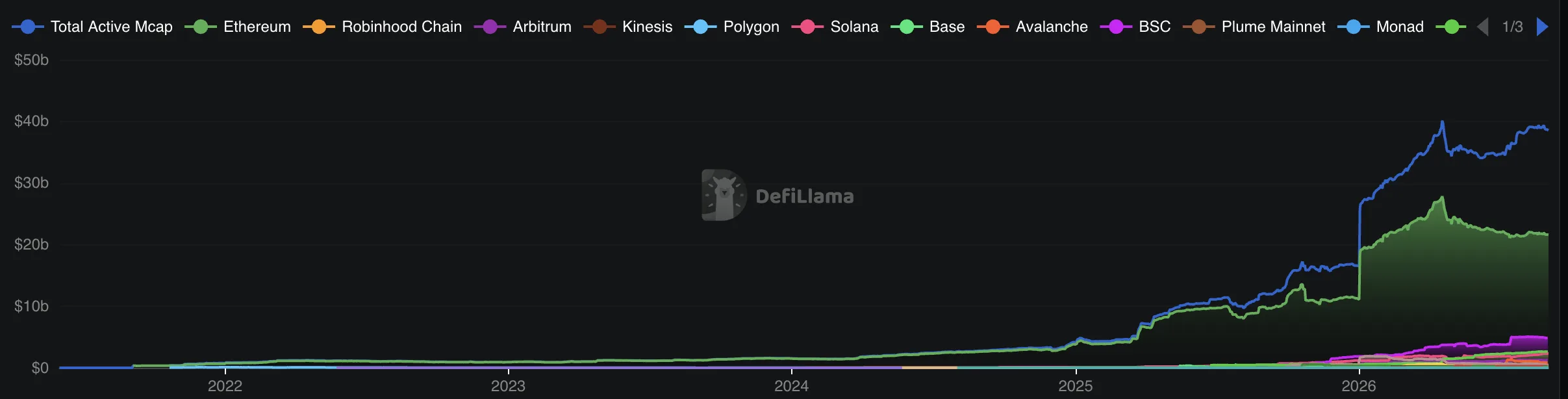
Az Ethereum RWA-boom címlapokra kerül a kriptoszektorban, miközben a blokklánc tokenizált valós eszközökben (RWA-kban) betöltött dominanciáját egyre nehezebb figyelmen kívül hagyni. Mivel az Ethereum hálózata a tokenizált eszközökben elosztott 38,69 milliárd dollár közel felét tárolja — több mint háromszor annyit, mint a BNB Chain —, a kulcskérdés az, hogy ez a lendület képes-e az ETH-t a legutóbbi cikluscsúcsa fölé repíteni.
Befektetők, kereskedők és intézmények figyelnek szorosan, miközben az Ethereum árfolyama továbbra is sávban mozog, annak ellenére, hogy az on-chain fundamentumok és az intézményi elfogadottság szárnyal. Az új RWA-projektek indulásával és a hálózatra zárolt milliárdokkal az ETH sorsdöntő pillanat előtt áll: a RWA-boom végre áttörést hoz, vagy az árfolyam továbbra is lemarad a tokenizált eszközök növekedése mögött?
Az Ethereum RWA-boom megértése
Az „Ethereum RWA-boom” kifejezés a valós eszközök — például államkötvények, ingatlanok és árupiaci termékek — Ethereum blokkláncon történő tokenizálásának robbanásszerű növekedését írja le. Az RWA-k hidat képeznek a hagyományos pénzügyek és a decentralizált pénzügyek (DeFi) között, új értékformákat hozva létre, amelyek on-chain módon mozgathatók, kereskedhetők vagy fedezetként használhatók.
2026 augusztusának végén a tokenizált valós eszközök összértéke elérte a 38,69 milliárd dollárt, amelyből az Ethereum domináns, 45%-os piaci részesedést mondhat magáénak. Ez több mint 17,5 milliárd dollárnyi eszközt jelent kizárólag az Ethereumon, messze megelőzve az olyan versenytársakat, mint a BNB Chain (5,8 milliárd dollár) és a Solana (4,0 milliárd dollár).
Az olyan nagy tokenizációs platformok, mint a Securitize és az Ondo, elsősorban Ethereumon működnek, és az intézményi szereplők is követték ezt a példát. A BlackRock BUIDL alapja például az Ethereumon debütált, mielőtt további hét blokkláncra kiterjesztették volna. Ez az intézményi bizalom legalábbis egyelőre megerősíti az Ethereum státuszát mint az RWA-k elsődleges elszámolási rétege.
Ethereum árfolyam-előrejelzés: képes-e a RWA-boom áttörést indítani?
Annak ellenére, hogy az Ethereum vezető szerepet tölt be az RWA-szektorban, az ETH árfolyama nehezen tükrözi ezt a dominanciát. 2 360 dolláros árfolyamon az ETH az elmúlt 24 órában 3%-ot esett, és 2 362 és 2 428 dollár között ingadozott. Az ármozgás sok olyan tartót frusztrált, akik arra számítottak, hogy az RWA-narratíva sokkal látványosabb ralit indít.
A technikai elemzés szerint a fő ellenállási szint 2 550 dollárnál található. E fölé törve megnyílhatna az út a 2 800–2 920 dolláros tartomány felé — ez a mozgás megközelítené a legutóbbi cikluscsúcsot, és akár új lendületet is adhatna. A támaszszintek 2 438, 2 383 és 2 350 dollárnál vannak. A 2 438 dollár fölötti határozott heti zárás megerősítené a bikás forgatókönyvet, míg a 2 350 dollár alá csökkenés az ETH-t a 2 200–2 000 dolláros zóna újratesztjének kockázatába sodorhatná.
Sok elemző szerint az ETH BTC-vel szembeni relatív ereje dönti el, melyik irány érvényesül. Ha az Ethereum a következő hetekben felülteljesíti a Bitcoint, jelentősen nő egy komolyabb áttörés esélye.
Miért fontosak a tokenizált valós eszközök az Ethereum számára?
A tokenizált valós eszközök az egyik legígéretesebb hidat jelentik a hagyományos pénzügyek és a blokklánc-technológia között. Az államkötvények, ingatlanok vagy árupiaci termékek tokenizálásával a kibocsátók likviditást szabadíthatnak fel, csökkenthetik az elszámolási időt, és szélesebb befektetői kör számára tehetik elérhetővé az eszközöket.
Az Ethereum okosszerződéses infrastruktúrája és mély likviditási medencéi természetes otthonná teszik a legtöbb RWA-projekt számára. Emellett robusztus biztonsága és régóta fennálló hálózati hatásai vonzóvá teszik az olyan intézmények számára is, amelyek ódzkodnak a kevésbé tesztelt platformoktól.
- Intézményi elfogadás: A BlackRock, a Securitize és az Ondo is Ethereumra épít, ami erős intézményi bizalmat jelez.
- Likviditás és forgalomképesség: A tokenizált RWA-k a nap 24 órájában kereskedhetők, új felhasználási eseteket nyitva a DeFi protokollok számára.
- Programozhatóság: Az okosszerződések automatizálhatják a kifizetéseket, a megfelelőséget és a fedezetkezelést.
- Globális hozzáférés: A befektetők világszerte részesedhetnek korábban elérhetetlen eszközökből.
Az Ethereum RWA-piacának mérete már nem hipotetikus. 2026 augusztusáig közel 17,5 milliárd dollárnyi tokenizált eszköz állt az Ethereum hálózat biztosítása alatt, új mércét állítva fel az egész kriptoipar számára.
Ethereum piaci elemzés: árfolyammozgás vs. on-chain növekedés
Érdekes szakadék alakult ki az Ethereum robusztusan növekvő on-chain fundamentumai és gyengélkedő árfolyammozgása között. Az intézményi felhalmozás folytatódik, a nagy tárcák csendben növelik ETH-készleteiket, miközben az azonnali piac ára stagnál. Ez az eltérés gyakran egy hirtelen mozgással oldódik fel — felfelé vagy lefelé —, amint a piaci szereplők konszenzusra jutnak.
A legfrissebb adatok szerint az Ethereum szűk kereskedési sávja már négy egymást követő napja fennáll, ami nyugtalanná teszi a kereskedőket. Az újabb, nagy volatilitású tokenekhez képest az ETH 2 800 dollárig tartó potenciális mozgása viszonylag szerény hozamnak számít. Ez a rotációs logika egyes kriptokereskedőket presale tokenek vagy alternatív eszközök felé terel, amelyek nagyobb megtérülést ígérnek az ETH konszolidációs időszakaiban.
A történelmi ciklusok azonban azt mutatják, hogy a nagy forgalmú eszközök, mint az Ethereum, szűk konszolidációs időszakai gyakran éles kitörések előtt állnak. A RWA-narratíva erősödésével és az új intézményi beáramlások megjelenésével az ETH jelenlegi sávja akár egy jelentős elmozdulás előtti csend is lehet.
Az Ethereum RWA-boomját hajtó kulcsszereplők és projektek
Több projekt is az Ethereum RWA-ökoszisztéma pillérévé vált, milliárdokat vonzva és a globális befektetők figyelmét felkeltve. Íme a vezető platformok áttekintése:
| Platform | Elsődleges eszközosztály | Tokenizált érték (USD) | Neves partnerek |
|---|---|---|---|
| Securitize | Kötvények, részvények | 6,2 milliárd dollár | BlackRock, Hamilton Lane |
| Ondo | Kincstárjegyek, ingatlanok | 4,7 milliárd dollár | Franklin Templeton, Coinbase |
| Maple Finance | Magánhitelek | 1,1 milliárd dollár | Alameda Research, Orthogonal |
| Backed Finance | Részvények, ETF-ek | 600 millió dollár | WisdomTree, Chainlink |
Ezek a platformok új mércét állítanak fel az átláthatóság, a megfelelőség és az átjárhatóság terén. Sikertörténeteik tovább erősítik az Ethereum vezető szerepét az RWA-szektorban, és hozzájárulnak az intézményi és lakossági befektetők növekvő bizalmához.
Ethereum befektetési trendek: hová áramlik a smart money?
A smart money — jellemzően intézményi és bálna befektetők — 2026 során csendben halmozta az ETH-t, annak ellenére, hogy rövid távú visszaesések és volatilitás jellemezte a piacot. A vezető kutatócégek on-chain elemzései tartós beáramlást mutatnak az Ethereum-alapú RWA protokollokba, különösen a széles piaci bizonytalanság időszakaiban.
Több trend is kirajzolódik:
- Hosszú távú staking: Egyre több ETH-t tesznek stakelésbe hozamért, ami csökkenti a forgalomban lévő kínálatot és növeli a szűkösséget.
- RWA-alapok indulása: Az új, tokenizált eszközökre fókuszáló alapok egyre gyakrabban az Ethereumot választják elszámolási láncként.
- Cross-chain bővülés: Bár az Ethereum marad a domináns, néhány RWA-projekt más blokkláncokkal való interoperabilitást is vizsgál a hatókör bővítése érdekében.
- Lakossági onboarding: A platformok egyszerűsítik a mindennapi befektetők hozzáférését, szélesebb részvételt ösztönözve az RWA-piacokon.
Az intézményi és lakossági elfogadás ilyen kombinációja támaszt ad az Ethereum RWA-boomjának, és megteremti az alapot a potenciális árfolyam-emelkedéshez, ha a hangulat és a technikai kép összhangba kerül.
Kockázatok és kihívások előre
Annak ellenére, hogy az Ethereum RWA-boom körül optimizmus uralkodik, több kockázat továbbra is fennáll. A tokenizált eszközökre vonatkozó szabályozási tisztaság elmarad az innováció mögött, ami bizonytalanságot teremt a kibocsátók és a befektetők számára. Az amerikai CLARITY Act lassú előrehaladása jelentős szűk keresztmetszet, és egyes piaci szereplők addig vonakodnak elköteleződni, amíg világos iránymutatás nem születik.
A verseny is fokozódik. Bár az Ethereum előnye jelentős, olyan rivális blokkláncok, mint a BNB Chain és a Solana, erőteljesen fektetnek be RWA-infrastruktúrába és partnerségekbe. Ha sikerül jelentős intézményi megállapodásokat vonzaniuk, az Ethereum dominanciája kihívással szembesülhet.
A technikai tényezők, például a skálázási frissítések és a gasdíjak, szintén szerepet játszanak majd. Ha az Ethereum nem tudja fenntartani a zökkenőmentes felhasználói élményt a növekvő kereslet mellett, a felhasználók hatékonyabb alternatívák felé mozdulhatnak el, legalábbis bizonyos felhasználási esetekben.
Gyakran ismételt kérdések
Mi hajtja az Ethereum RWA-boomját?
Az Ethereumon tokenizált valós eszközök gyors növekedését az intézményi elfogadás, a robusztus okosszerződéses infrastruktúra és a mély likviditás hajtja. A nagy pénzügyi szereplők megbíznak az Ethereumon az olyan eszközök tokenizálásában, mint a kötvények és az ingatlanok, miközben a DeFi protokollok új módokat kínálnak ezen eszközök használatára és kereskedésére.
Hogyan befolyásolja az Ethereum RWA-boomja az ETH árfolyam-előrejelzést?
Bár a RWA-boom erősíti az Ethereum fundamentumait és hosszú távú értékajánlatát, az árfolyammozgást végső soron a technikai kitörések és a piaci hangulat határozzák meg. A 2 550 dolláros ellenállás fölé történő határozott mozgás ralit indíthat a 2 800 dolláros vagy annál magasabb szintek felé, különösen ha az intézményi beáramlás felgyorsul.
Mely projektek vezetik az Ethereum RWA-piacát?
A Securitize, az Ondo, a Maple Finance és a Backed Finance az Ethereum RWA-ökoszisztéma legfontosabb platformjai közé tartoznak, amelyek együttesen milliárdnyi eszközt tokenizálnak, és nagy alapokkal, valamint fintech cégekkel működnek együtt.
Melyek a fő kockázatok az Ethereum számára az RWA-szektorban?
A szabályozási bizonytalanság, a más blokkláncokkal fokozódó verseny és az olyan technikai kihívások, mint a skálázhatóság, mind kockázatot jelentenek. Az Ethereum vezető szerepének megőrzése a folyamatos frissítésektől, a partnerségek bővülésétől és a szabályozási fejleményektől függ.
Most jó időpont az Ethereum befektetésre a RWA-boom fényében?
Az Ethereum dominanciája az RWA-térben erősíti a hosszú távú kilátásokat, de a potenciális befektetőknek mérlegelniük kell az فرصتokat és a kockázatokat is. Az árfolyam továbbra is sávban mozog, ezért a technikai szintek és a szélesebb piaci hangulat figyelése kulcsfontosságú a döntés előtt.
Következtetés
Az Ethereum RWA-boomja egyértelműen a tokenizált valós eszközök élvonalába emelte a hálózatot, több mint 17,5 milliárd dollárnyi biztosított értékkel és gyorsuló intézményi elfogadottsággal. Bár az Ethereum árfolyama továbbra is szűk sávban ragadt, a fundamentumok erősebbek, mint valaha. Hogy az ETH meg tudja-e haladni a legutóbbi cikluscsúcsát, az technikai kitörések, a folytatódó smart money beáramlás és az RWA-elfogadás ütemének kombinációjától függ.
Az Ethereum árfolyam-előrejelzést és az ETH cikluscsúcsát figyelő befektetők és rajongók számára a következő hetek sorsdöntőek lehetnek. Maradj naprakész, kövesd figyelmesen a piaci elemzéseket, és gondold át, miként alakíthatja a változó RWA-környezet az Ethereum-befektetési stratégiádat.